Wool is a natural, breathable fiber renowned for regulating temperature, managing moisture, and offering durable comfort across bedding categories. In this overview, we explore how wool fibers contribute to sleep environments, highlighting inherent properties such as elasticity, insulation, and odor resistance that support a healthy, restful night. Understanding these characteristics informs appropriate use for sheets, comforters, and pillows.
Within wool-based bedding, key features include temperature regulation through hollow microscopic fibers that trap air, maintaining warmth without overheating. Wool absorbs moisture up to a third of its weight and releases it when humidity declines, promoting a drier, more comfortable sleeping surface. This balance benefits sleepers in varying climates and seasons.
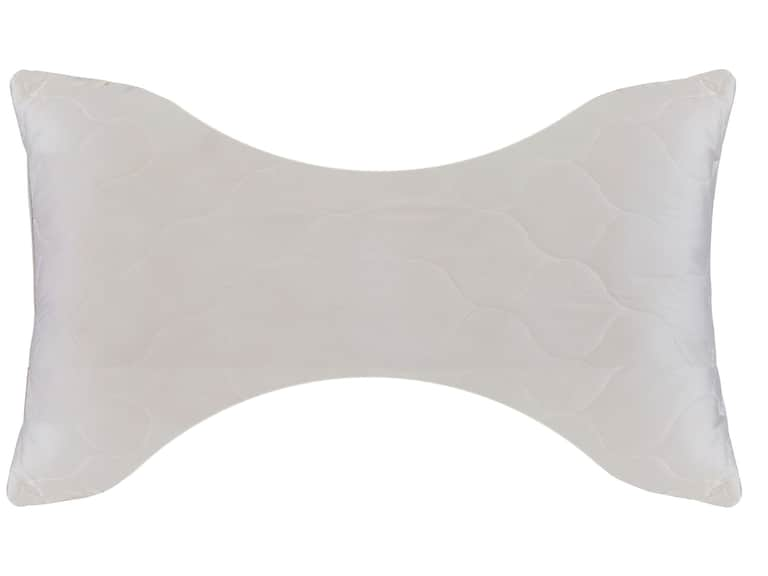
Relevant products like the Sleep and Beyond myDual Side Pillow demonstrate wool’s versatility in support and comfort. The pillow’s dual-sided design leverages wool’s adaptability, offering responsive support for different sleep preferences. Wool in pillow cores can maintain shape over time while providing a soft, breathable surface for neck and head alignment.
When considering bedding accessories such as sheets, duvet covers, and comforters, wool contributes to longevity and low maintenance through natural resilience and odor resistance. The fabric’s properties help minimize night-time overheating and promote a stable microclimate, supporting overall sleep quality and reducing the need for frequent replacements.
For households prioritizing natural materials, understanding wool’s care requirements and compatibility with other bedding components—pillow inserts, duvet fillings, and layering with sheets—clarifies appropriate usage. The inclusion of meta keywords like bedding, pillows, sheets, duvet covers, and comforters aligns with educational content that informs material choices and practical applications in sleep environments.
 Bedding